

Materials Needed
-
Engine oil (check vehicle manual for type and quantity)
-
Oil filter compatible with your vehicle
Tools Needed
-
Oil filter wrench
-
Socket wrench or spanner set
-
Oil drain pan
-
Funnel
-
Gloves and safety glasses
-
Rags or paper towels
-
Jack and jack stands or ramps (if needed)
-
Container for used oil disposal
Task Plan
Step 1 — Prepare Your Vehicle
-
Park the vehicle on a flat, level surface.
-
Apply the parking brake and, if necessary, use wheel chocks.
-
Allow the engine to cool slightly, but some guides recommend changing oil when the engine is warm for better drainage.
Step 2 — Lift the Vehicle (if needed)
Use a jack and secure the vehicle with jack stands, or drive onto ramps for easier access to the oil pan.
Step 3 — Drain the Old Oil
-
Place the oil drain pan under the oil pan’s drain plug.
-
Use a socket wrench to carefully loosen and remove the drain plug.
-
Allow the old oil to fully drain into the pan. This may take several minutes.
-
Inspect the drain plug and replace its crush washer if damaged.
Step 4 — Replace the Oil Filter
-
Locate the oil filter.
-
Using an oil filter wrench, remove the old filter by turning it counterclockwise.
-
Apply a thin layer of fresh oil to the rubber gasket of the new filter.
-
Screw the new filter in by hand until snug, then slightly tighten according to the manufacturer’s recommendation (avoid overtightening).
Step 5 — Reinstall the Drain Plug
Once oil is drained, reinstall the drain plug and tighten securely but do not overtighten to avoid stripping threads.
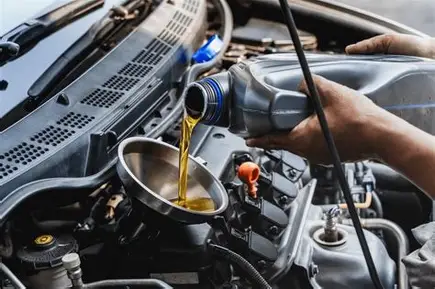
Step 6 — Add New Engine Oil
-
Open the engine oil filler cap on top of the engine.
-
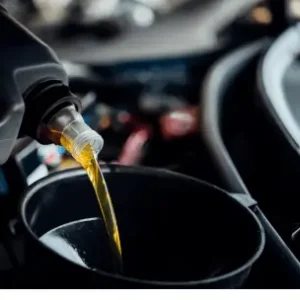
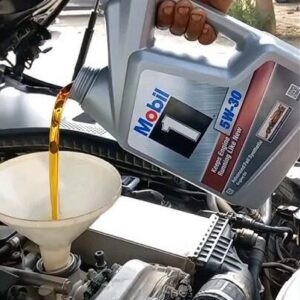
Use a funnel to pour the recommended type and quantity of new engine oil.
-
Check the oil level using the dipstick and adjust to the correct level.
Step 7 — Check for Leaks
-
Start the engine and let it run for a few minutes.
-
Inspect under the vehicle for leaks around the drain plug and oil filter.
-
Turn off the engine, wait a few minutes, and check the oil level again, topping up if necessary.
Step 8 — Dispose of Old Oil Properly
Collect the used oil in a sealed container and take it to a local recycling center or authorized collection point. Do not pour it into drains or the environment.
Tips for Safety and Best Practices
-
Wear gloves and eye protection to avoid contact with hot oil.
-
Ensure the vehicle is stable before working underneath it.
-
Follow the vehicle manufacturer’s specifications for oil type, filter, and change intervals.
-
Keep a record of the date and mileage for your next oil change.
By following these steps carefully, you can perform an engine oil change safely and efficiently, ensuring your vehicle continues to run reliably.

Reviews
There are no reviews yet.